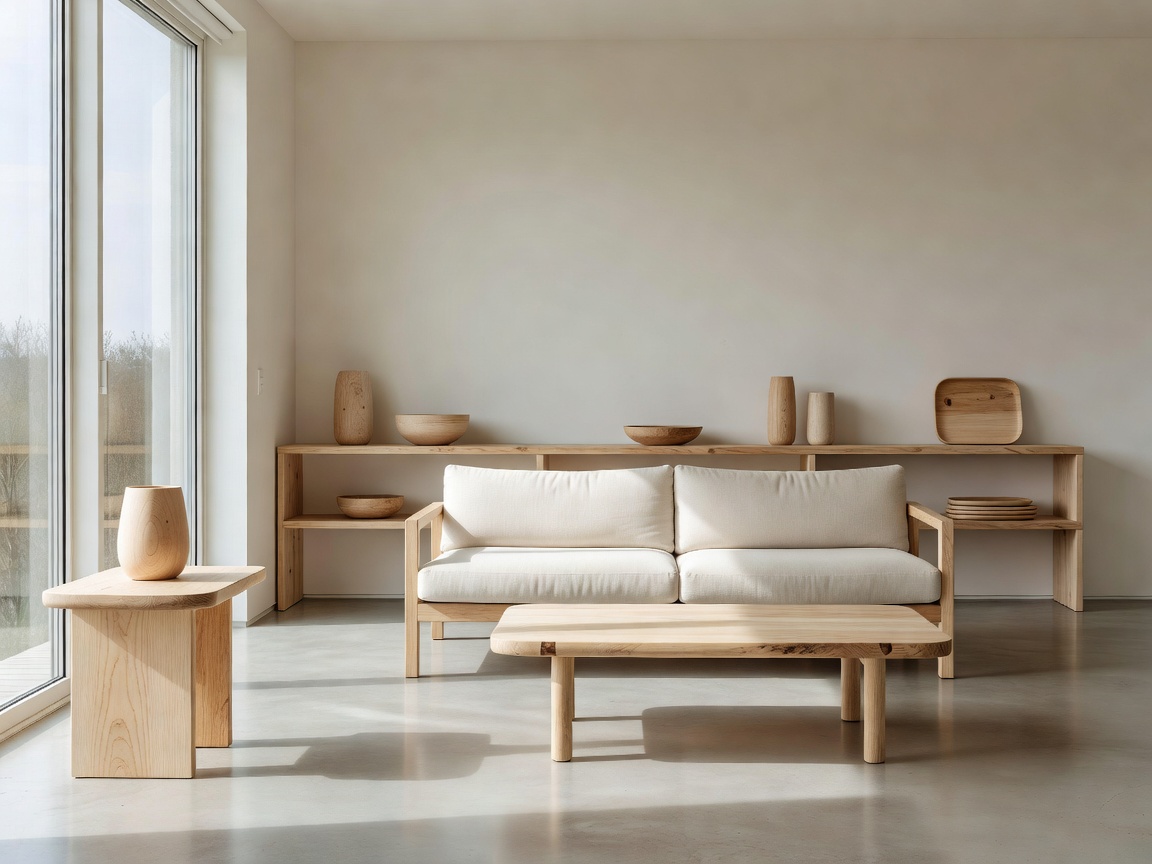
Indoor air quality often contains concentrations of Volatile Organic Compounds (VOCs) up to 5 times higher than outdoor urban air. Synthetic flame retardants in furniture, formaldehyde off-gassing from engineered wood products, and artificial fragrance diffusers create a silent background stressor for both the nervous system and skin moisture barriers.
Step 1: Selecting Unbleached Botanical Textiles
Replacing synthetic polyester sheets and acrylic throw blankets with GOTS-certified organic French flax linen or raw hemp significantly improves thermal regulation during sleep. Natural fibers allow the skin to transpire naturally without trapping micro-plastic particulate dust against epidermal pores.
Step 2: Biophilic Botanical Air Filtration
While mechanical HEPA filtration is critical, integrating phytoremediation plants—such as Sansevieria trifasciata and Spathiphyllum—helps continuously absorb trace benzene and trichloroethylene from domestic air streams.
Step 3: Therapeutic Olfactory Layering
Avoid synthetic fragrance oils containing phthalates. Instead, employ ultrasonic cold-steam diffusion using therapeutic grade terpene profiles. Explore our Scent Profile Matcher to select calming aromas for sleep spaces.